MyChart®
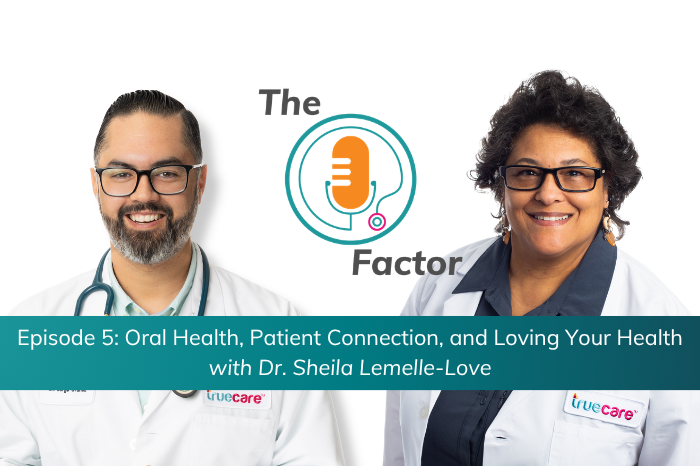
Oral Health, Patient Connection, and Loving Your Health with Dr. Sheila Lemelle-Love | The O Factor
Extraordinary care starts with trust, and sometimes, it starts with a smile.
In this episode of The O Factor, host Dr. Jorge Otañez (Dr. O) sits down with Dr. Sheila Lemelle-Love, lead dental clinician at TrueCare, to talk about something often overlooked but deeply connected to overall wellness: oral health.
From the link between gum disease and heart health to practical brushing tips, nutrition, dental anxiety, and prevention, this conversation is a reminder that caring for your mouth is part of caring for your whole health.
Meet Dr. Sheila Lemelle-Love
Dr. Sheila Lemelle-Love grew up in Los Angeles to parents from farming communities in Louisiana and attended USC for both her undergraduate and dental education, a dream inspired by her father. Deeply rooted in family and community, she raised seven children with a strong emphasis on service and giving back.
When she is not caring for patients, Dr. Love enjoys riding Harleys with her husband, scrapbooking, and spending time with her grandchildren and great-grandchildren.
Oral health and overall health are connected
Dr. Love explains that oral health is not separate from the rest of the body. There is a strong connection between gum disease and cardiovascular health, and oral health can also affect broader chronic conditions. That is why prevention and routine dental care matter so much.
Foods that harm and help your teeth
When it comes to foods that can cause problems, Dr. Love says sticky foods are some of the biggest culprits because they cling to the teeth and continue feeding bacteria over time. Sugary drinks and soda are also worth limiting, not only for oral health, but because they offer little nutritional value overall.
She also highlights several foods that can support oral health, including:
- Dairy products
- Leafy greens
- Crunchy fruits and vegetables
- Garlic and onions
- Black and green tea
Fluoride, brushing, and daily dental habits
Fluoride remains an important part of dental care, especially for children. For young children who cannot yet spit out toothpaste, Dr. Love recommends using a rice-sized amount before bed and allowing the fluoride to stay on the teeth rather than rinsing it away right away.
She also emphasizes a few brushing basics: brush for at least two minutes, brush gently rather than harder, angle the toothbrush toward the gums, and use circular motions. A soft toothbrush is best. Electric toothbrushes can also be helpful, especially for people with arthritis or limited mobility, but good technique still matters most.
For more oral health tips, explore TrueCare’s Dental Health blog and related resources.
Listening to your body
Some oral health concerns are easy to brush off, but Dr. Love encourages patients to pay attention to warning signs. Chronic bad breath, recurring sores, or mouth ulcers that keep coming back, especially in the same spot, can all be reasons to check in with a dentist. Catching issues early can help prevent more serious problems later.
Patient connection matters
One of the most helpful parts of the conversation is the reminder that dental care is not just about technique. It is also about trust. Many people carry fear, embarrassment, or past negative experiences into the dentist’s office, and that can make it harder to seek care in the first place.
Dr. Love encourages patients to bring questions, speak up about concerns, and lets the care team know if something feels uncomfortable or overwhelming. Nothing is too small or too embarrassing to ask about.
She also shares practical ways to make visits feel easier, including asking the dentist to explain what they are doing, bringing earbuds or music if certain sounds make you anxious, and sharing if you have had a difficult dental experience in the past. Small moments of communication can make a big difference in helping people feel more comfortable getting the care they need.
Dental trends: what’s helpful and what’s hype?
Dr. Love says oil pulling may have some benefit in reducing bacteria and freshening breath, but it does not replace brushing and flossing. Charcoal toothpaste, on the other hand, may be trendy, but it is too abrasive and can wear down enamel. Her advice is simple: consistent brushing, flossing, and regular dental visits are still the gold standard.
Oral health is deeply connected to prevention, chronic disease management, and overall well-being. Just as important, good care starts with helping patients feel informed, respected, and comfortable enough to take that next step.
Ready to get care? Schedule dental care with TrueCare and connect with a provider who can support your oral health and overall well-being.
Need help with insurance or food benefits? Our enrollment specialists can help you navigate Medi-Cal, Covered California, and CalFresh so cost is not a barrier to care.
Medical disclaimer
This content is for general educational information only and is not medical advice. Talk with your provider about what is right for you and your family. If you believe you are experiencing a medical emergency, call 911.