MyChart®
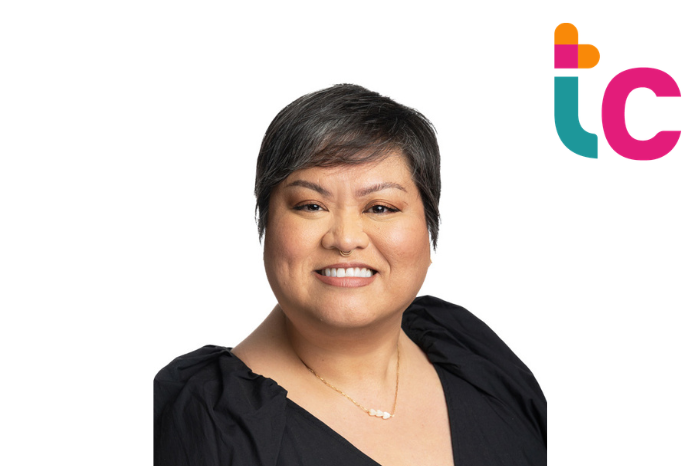
Many regulatory professionals feel isolated in their positions, often viewed as bureaucratic roadblocks rather than collaborative partners. At TrueCare, the approach to risk management actively dismantles this adversarial dynamic to foster genuine, productive collaboration. Eden Sosa, MBA, Corporate Compliance and Contracts Officer, uses her role to build solid operational foundations that protect both providers and patients.
Her strategy involves understanding clinical goals first, then navigating the regulatory landscape to safely execute those objectives. By prioritizing transparency and open communication, health care office jobs like Eden’s ensure that innovation in patient outreach never compromises necessary safety standards. This methodology transforms standard oversight into a vital support system for the entire organization.
How Health Care Office Jobs Create Pathways to Community Advocacy
Health care office jobs establish the necessary regulatory frameworks that allow clinicians to safely reach underserved populations. Born in the Philippines, Eden immigrated to the United States when she was seven years old. For her, entering the community health space felt less like a career pivot and more like a return to her fundamental values. She recognized that FQHCs (Federally Qualified Health Centers) offered a unique environment where regulatory knowledge directly translates into expanded patient access.
During her undergraduate studies, she participated in internships focused on pro bono work, which laid the groundwork for her eventual shift toward public health. Eden initially planned to attend law school to pursue a career in advocacy. Yet, after working at large corporate law firms in Los Angeles for nearly a decade, she was dissuaded from pursuing a law degree by the partners she worked with.
Despite gaining valuable experience in these corporate environments, Eden felt a persistent longing to engage in work that carried a deeper societal impact. She spent a decade at another local FQHC before bringing her extensive background to her current position at TrueCare. Transitioning into the nonprofit sector provided the specific avenue she needed to apply her operational and contractual expertise toward a mission-driven objective. Her career trajectory demonstrates how non-clinical professionals can fundamentally shape the delivery of health care.
“I always repeat that going into community health was really almost like a homecoming for me. I like to think that even on my hardest day, which sometimes is really, really hard, I can walk away thinking that I contributed to something other than shareholder profit. So I think that with that, that’s always at the center of the work for me,” says Eden.
Shifting the Narrative Surrounding Compliance Roles in Medicine
Historically, oversight departments have a reputation for acting as a police force within corporate environments. Staff members often view risk managers as the ultimate source of red tape—the bureaucracy that prevents operational changes or community outreach efforts. Eden actively works to dismantle this perception by approaching every internal request with curiosity rather than immediate restriction. When a clinical team proposes a new initiative, her first response is to clarify the end goal rather than cite the regulatory barriers that might impede it.
“Both compliance and risk can be seen as adversarial, but I like to meet people where they are and help them figure out what it is that they want. I’m not here to deter them. Tell me your goal, and I’ll help you get there,” notes Eden.
A practical example of this dynamic often surfaces when clinical teams want to initiate street medicine programs or expand off-site outreach. The initial assumption from the medical staff is often that risk management will automatically deny the request due to liability concerns.
Instead, Eden seeks to understand exactly who the providers intend to treat, the specific services they plan to offer, and the logistical realities of the proposed location. Once she has a clear picture of the operational intent, she begins identifying how to protect patients, providers’ licenses, and the organization simultaneously. If all ten proposed clinical objectives cannot be safely met under current regulations, she collaborates with the team to implement the eight that can be met.
This collaborative approach requires a deep understanding of the diverse operations occurring within the organization. Compliance roles in health care constantly toggle among departments to see the various moving parts of a proposed initiative. By refusing to operate in a silo, Eden ensures that her department is viewed as a supportive service rather than an operational adversary.
Emphasizing Transparency Across Every Health Care Center
Clear communication about the rationale for regulations ensures that staff members willingly adhere to necessary safety standards. When employees are simply handed a list of mandates without context, resistance is a natural operational byproduct. Eden finds that many institutional frustrations stem from the phrase, “that is how we have always done it.”
To combat this, she encourages her colleagues to critically evaluate the origins of their standard operating procedures. When a clinic site encounters a procedural challenge, she prioritizes understanding and explaining the specific regulatory reasons for the required actions. By pulling back the curtain on regulatory mandates, Eden empowers staff to make informed, compliant decisions without unnecessarily restricting access.
“It’s about understanding the challenge, reviewing the requirement, then finding a workable solution. Our goal is to provide quality healthcare and widen access to care, not promote or create additional barriers. says Eden.
This commitment to transparency extends to the physical resources available to patients and staff alike. Anyone interested in understanding the full scope of our community impact can review the comprehensive TrueCare Programs and Resources designed to support the region.
Providing this level of clarity ensures that every health care center operates with a unified understanding of both the regulations and the reasons they exist. When staff understands that the rules are directly tied to compliant, quality patient care, the friction between administration and clinical operations dissolves.
Building Collaborative Environments for Health Care Careers
A continuous learning cycle is a defining characteristic of successful health care careers within the administrative sector. The health care landscape involves highly specialized disciplines, and no single administrator can be an expert in the operational minutiae of them all. Eden frequently finds herself learning the specifics of various medical tools and treatments just to accurately assess their risk profiles.
“I lean on my colleagues, right, to educate me. So, from a risk standpoint, if I see a trend in a type of error, I don’t say, ‘This is what you should be doing.’ I ask them to show me how you’re doing it, then I can attempt to identify where the gaps are and the root cause of the errors,” says Eden.
The Necessity of Maintaining an Open Mind
Regulatory environments shift constantly, particularly in response to changes in political administrations or state-level funding models. To effectively navigate these changes, professionals must remain exceptionally flexible. Maintaining the status quo is rarely a viable long-term strategy in community health. When new challenges arise, the team must approach them dynamically, willing to abandon outdated methods if they no longer serve the mission. This open-mindedness ensures that the organization can pivot quickly while remaining fully compliant.
Gathering Context Across Specialized Departments
- Observing acupuncture treatments to understand the specific safety requirements for the needles utilized.
- Reviewing dental sterilization procedures to ensure compliance with updated regional health mandates.
- Assessing the workflows of front desk personnel to identify potential bottlenecks in the patient intake process.
These observations require patience and a genuine willingness to learn from the ground up. By taking the time to understand the nuances of each department, administrators build the trust necessary to implement meaningful, lasting procedural improvements.
Fostering Inclusion within Administrative Positions
Intentional hiring practices and a commitment to hearing diverse perspectives create a workplace where individuals feel genuinely valued. When Eden decided to leave her previous organization, she purposefully sought out TrueCare because of its reputation for inclusive leadership. She possesses a highly diverse professional background spanning legal work, business operations, and risk management. She wanted to ensure that her next professional home would not only utilize her varied skill set but also respect her individual perspective.
“I’ve never felt so seen as I have working at TrueCare. I have a diverse background in terms of workplaces, and TrueCare invites that and celebrates it, not just in words but truly in action,” says Eden.
As a woman of color operating within the senior leadership team, Eden remains acutely aware of her representation. However, she does not feel the pressure or the constraints often associated with corporate hierarchies. There is no institutional hesitation holding her back from speaking her mind. Instead, she consistently receives an invitation to challenge existing protocols and bring her authentic self to the table. This environment is intentionally cultivated to support individualism, which, in turn, serves the organization’s collective goals.
Creating an environment where an administrative professional feels empowered requires deliberate action from the executive level down. It means removing the filters that stifle honest communication and replacing them with avenues for direct, unfiltered dialogue.
Investing in the Future of Health Care Office Jobs
Dedicated training programs and consistent leadership meetings provide the resources necessary for staff to advance their expertise. TrueCare operates under the fundamental belief that an organization must be in the business of people, and that definition explicitly includes the workforce. The executive team actively refuses to sacrifice the well-being of the staff in service to the patients, recognizing that the two priorities are entirely interdependent. This philosophy is evident in the tangible financial and operational investments made to ensure continuous employee development.
“They launched a leadership academy and worked with our executive and our senior leadership team to not only identify but also create the curriculum of what staff really need. The first session presented by our CFO, Cheryl Petersen Pine, was about community health center billing because of its complexities and required knowledge across the organization, ” says Eden.
While a laboratory technician might initially question the necessity of attending a seminar on billing practices, the training ultimately provides crucial context for their daily responsibilities. Understanding the financial mechanics of an FQHC ensures that every department recognizes how its specific documentation impacts the organization’s ability to secure funding and keep the doors open. During evaluation seasons, Eden actively encourages her own team to identify professional development goals, ensuring that health care office jobs remain dynamic roles rather than stagnant administrative functions.
Why Health Care Office Jobs Rely on Genuine Empathy
Ultimately, the technical expertise required to manage contracts and mitigate risk is secondary to the foundational empathy required to work in community health. While many medical institutions possess a stated mission, executing that mission effectively requires an environment where the staff themselves feel supported. Eden credits the longevity of the workforce (where individuals frequently stay for decades) to this pervasive culture of mutual support and genuine care.
“It’s the heart. I know that that’s so cliché, but it is. It truly is,” Eden reflects when asked what sets the employees apart. “I think that supported people can support others. I think that who the person is draws them to TrueCare, but what keeps them there is because they’re feeling supported themselves.”
This environment is maintained through deliberate practices, such as consistent huddles and one-on-one meetings. For administrative staff working hybrid or remote schedules, these touchpoints are vital for maintaining connection and staving off professional isolation. Whether discussing complex regulatory changes or simply catching up on life events, these standardized interactions ensure that the team remains unified. You can explore the various communities we serve by visiting the TrueCare Locations directory, which highlights the broad geographic impact of this highly supported workforce. When health care office jobs are executed with this level of empathy and structural support, the entire organization is better equipped to navigate the complexities of modern medicine.
Join Our Support Team
Are you looking to apply your operational expertise in an environment that values transparency, collaboration, and genuine community impact? We are consistently seeking dedicated professionals who understand that strong administrative foundations are the key to expanding patient access.
Ready to take the next step?
Explore all San Diego behavioral health jobs at TrueCare and apply today!