MyChart®
As cooler weather arrives, so does flu season. A yearly reminder to take extra steps to protect your health and the health of those around you. In San Diego and Riverside Counties, this period of increased influenza activity typically begins in the fall and continues through late spring. Because viruses spread quickly through schools, workplaces, and households, preparation is key.
This guide is designed to help California residents understand what to expect during the 2025-2026 flu season. You’ll learn when it starts, when it peaks, how to protect yourself and your loved ones, and where to find local care.
At TrueCare, we’re here to help our communities stay healthy, informed, and ready. We’re here to make staying healthy easy, from helping you schedule a vaccination to recognizing early symptoms so you and your family stay protected all season long.
| What | Influenza (the flu) is a contagious respiratory illness that spreads easily and peaks during colder months |
| When | In California, flu season typically runs from October through May |
| Peak | The highest activity usually occurs between December and February |
| Best Protection |
Get your annual flu vaccine as soon as possible to help protect yourself throughout the flu season. |
What Is the Flu Season?
Flu season is the time of year when the flu spreads more easily in our communities. In California and across the country, this usually happens during the cooler months when we spend more time indoors and germs can pass more quickly from person to person.
Flu season is a yearly cycle that gives health care providers time to prepare and protect our communities. By tracking early signs of the flu and offering vaccines at the right time, they can help slow the spread and lessen the impact of outbreaks.
The flu mostly spreads through droplets released when someone coughs, sneezes, or even talks close by. These droplets can reach the nose or mouth of others and cause infection. Understanding how the flu spreads can help keep your family safer. You can learn more in our flu transmission guide.
When Is Flu Season in California?
In California, flu season usually starts in October and lasts through May. As the weather cools down, flu activity rises, with the biggest spike happening between December and February. This is when doctors see the most flu-related visits, so it’s a great time to stay mindful of symptoms and make sure your vaccinations are current.
Many families also wonder if you can catch the flu outside these months, like in the summer. The answer is yes, it’s possible, but it doesn’t happen very often. Flu viruses are around all year, just at much lower levels. Off-season cases can occur, especially for people with weaker immune systems or those who travel. Still, these cases are far less common than what we see during the typical flu season in California.
Why Does the Flu Get Worse in the Winter?
Every year, flu season seems to hit hardest in the middle of winter, and it’s not just by chance. Cooler weather, drier air, and more time spent indoors all make it easier for the flu to spread. Our immune systems can also be a bit weaker during the winter because we get less sunlight and vitamin D. All of these factors together help explain why flu cases climb during the colder months.
More Time Indoors
When the weather gets colder, we all spend more time indoors at home, in school, or at work. While it’s cozy inside, being in close quarters makes it easier for the flu to spread from person to person.
The flu spreads mostly through tiny droplets that are released when someone who is sick talks, coughs, or sneezes. In the winter, these droplets can hang in the air a little longer, especially in spaces that are not well-ventilated. Busy indoor places like schools, buses, and workplaces make it easy for the flu to move from one person to many. The CDC notes that these close-contact environments play a big role in how the flu spreads through communities each year.
The Virus Survives Better in Cold, Dry Air
Cold, dry winter air does more than make us reach for a jacket. It also helps the flu virus survive longer. Studies show that in low temperatures, the flu virus develops a tougher outer shell that protects it as it spreads from person to person. In warmer, more humid air, that shell breaks down more quickly, which makes the virus less likely to spread.
In winter, this means that droplets from a cough or sneeze can stay infectious for a longer period of time, especially in heated indoor spaces where the air is dry. Research from NIH.gov confirms that the flu virus stays stronger and more contagious in these cold, dry conditions.
When you combine more time spent indoors with a virus that survives better in winter air, flu season becomes much easier to understand. This is why health experts encourage early vaccination and good prevention habits. Preparing before flu cases rise is one of the best ways to protect your family.
The 2025-2026 Flu Vaccine: What Our Community Needs to Know
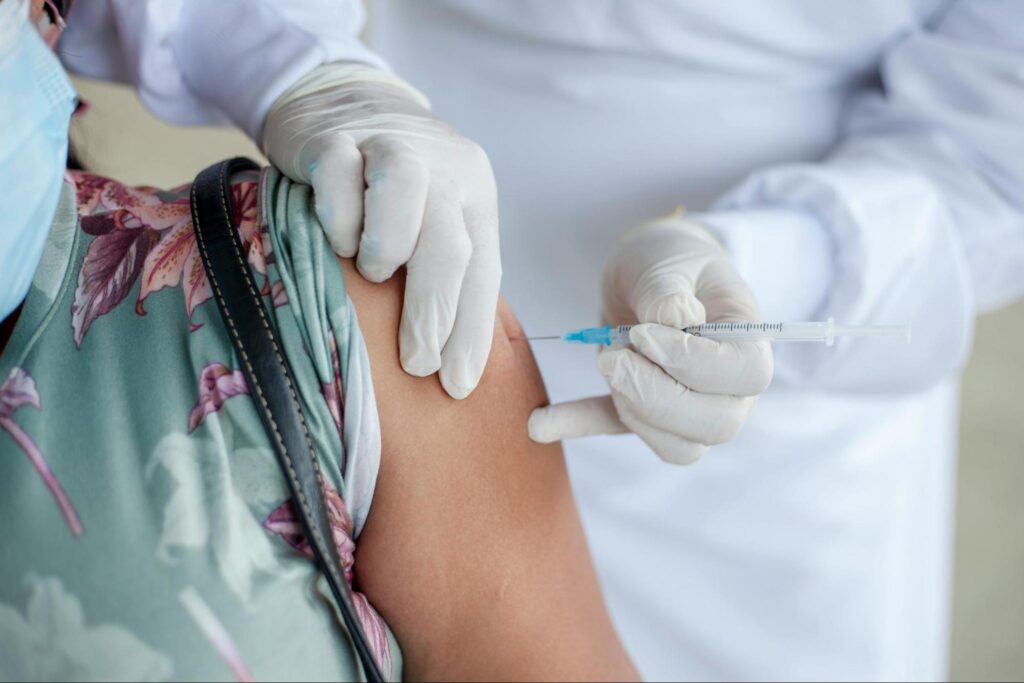
As the 2025–2026 flu season approaches, getting your flu shot is one of the best ways to keep yourself and your family healthy. Each year, medical experts review the latest flu strains and update the vaccine to match what is most likely to spread. This year’s vaccine is designed to provide strong protection and help keep our San Diego and Riverside County communities healthy.
One Shot, Three Strains of Protection (Trivalent Vaccine)
The 2025–2026 flu vaccines are trivalent, which simply means they cover three different flu strains that health experts believe will be most common this year. This gives you wider protection and can help lessen symptoms if you do get sick.
You might also wonder if it is possible to get the flu more than once in a season. The answer is yes. Since multiple strains spread at the same time, a person can catch one strain early and a different one later. The annual flu shot helps guard against several strains at once. The Mayo Clinic Health System notes that getting vaccinated is the most reliable way to protect yourself and others.
When Is the Best Time to Get Vaccinated?
Flu vaccines are available for several months, but the best time to get your shot is early fall.
Ideally, get your flu shot in early fall, but if you haven’t been vaccinated yet, it’s still a good idea to get it as soon as possible. It takes about two weeks for your body to build protection, and flu can continue to circulate into spring.
New Vaccine Options Available This Year
This year, there are more vaccine options to help make flu protection easier for everyone. FluMist is a nasal spray available for people ages 2 to 49 who prefer to skip the shot. Flublok is another option for anyone ages 9 and older, especially those with egg allergies or who want a highly purified vaccine. With these choices, more people can find the option that feels right for them.
If you’re not sure which vaccine is best for you or your family, our TrueCare providers are here to help. We offer guidance based on age, health needs, and personal preferences so you feel confident in your decision.
Ready to get protected? Scheduling your family’s flu shots is quick and easy.

Beyond the Vaccine: More Ways to Stay Healthy
Getting your flu shot is the strongest way to protect yourself during flu season, but a few everyday habits can make your protection even better. Simple steps can greatly reduce the spread of illness, especially for those who are more vulnerable like young children, older adults, and people with ongoing health conditions.
One of the easiest habits to maintain is regular handwashing. Wash your hands with soap and water for at least 20 seconds, especially after coughing, sneezing, or spending time in public places. If you do not have access to soap and water, an alcohol-based hand sanitizer is a good backup.
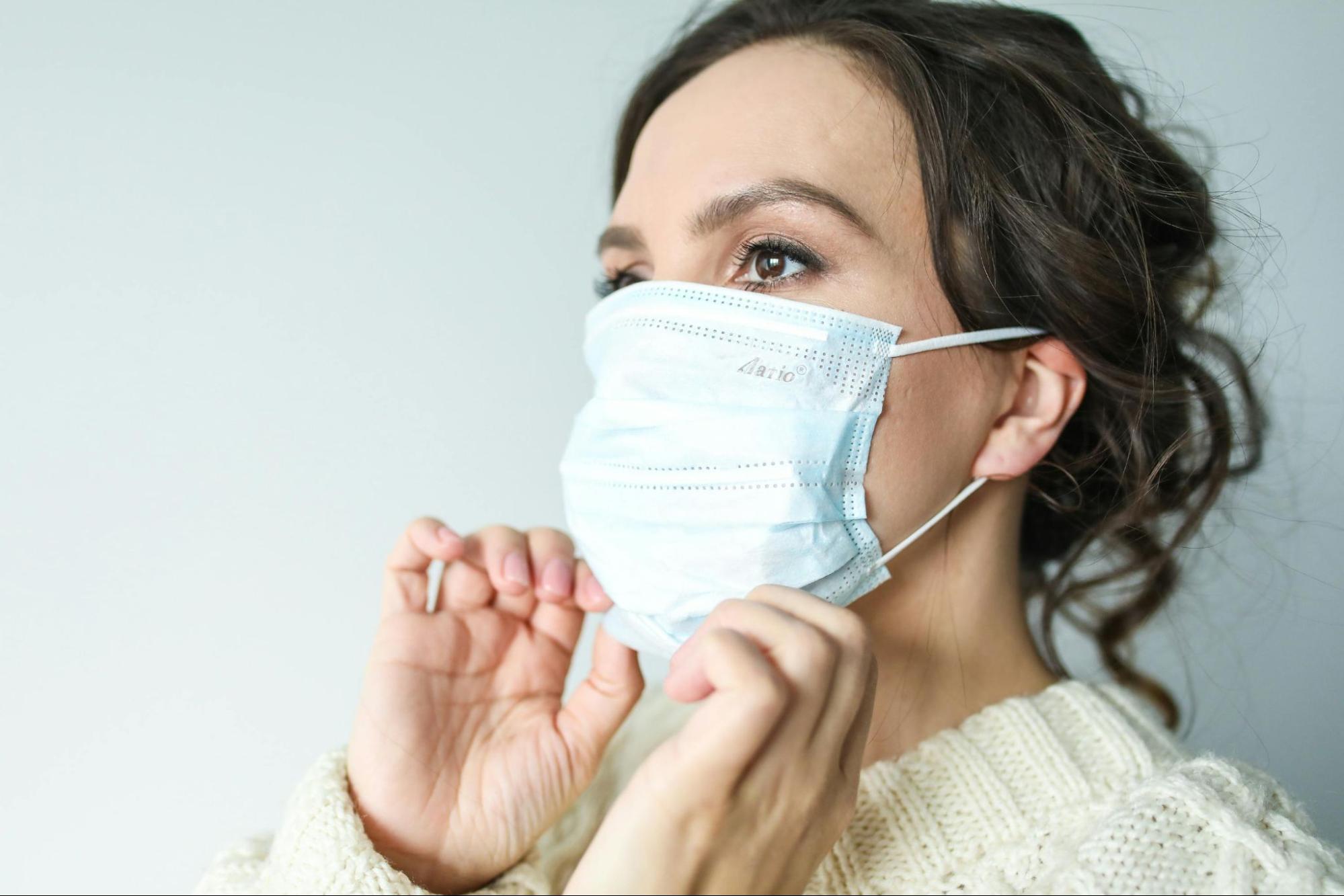
It is also important to stay home when you are feeling sick, even if symptoms are mild. Resting helps you recover faster and keeps others from getting exposed. If you do need to be around others, try to cover your coughs and sneezes and consider wearing a mask in crowded spaces to reduce the chance of spreading germs.
These small actions go a long way in keeping our communities healthy each year. For more tips on prevention, symptoms, and what to do if you get sick, explore our flu prevention and treatment guide.
Who Should Be Extra Cautious During Flu Season?
Every flu season brings a new wave of illness, and the flu does not affect everyone the same way. Many people have mild symptoms, but others can become seriously ill or even require hospitalization. High-risk groups tend to see more severe cases, which is why extra care and prevention are so important for them and the people around them.
High-Risk Groups for Severe Illness
People at greater risk for complications from the flu include:
- Adults 65 and older, whose immune systems naturally weaken with age.
- Young children, especially those under 5, who have developing immune defenses.
- Pregnant people, who experience immune and respiratory changes that increase vulnerability.
- Individuals with chronic health conditions such as asthma, diabetes, or heart disease, whose bodies may have a harder time fighting infection.
For people in these groups, the flu can be much more serious and even life-threatening. That is why prevention through vaccination, healthy habits, and early care matters so much. Families and caregivers can help by getting vaccinated too, creating an extra layer of protection for loved ones who are at higher risk.
Preparation is Power
Flu season is officially here, which makes this the perfect time to get protected. Your yearly flu shot is the strongest way to lower your risk of getting seriously sick and to help protect the people around you.TrueCare is here for our San Diego and Riverside County communities. Whether you’re looking for more information about the flu vaccine or you’re ready to schedule your shot, our team is here to support you.
Schedule your appointment online today to protect yourself and those you care about this flu season.
“DISCLAIMER: THIS WEBSITE DOES NOT PROVIDE MEDICAL ADVICE
The information, including but not limited to text, graphics, images, and other material contained on this website, are for informational purposes only. No material on this site is intended to be a substitute for professional medical advice, diagnosis, or treatment. Always seek the advice of your physician or other qualified health care provider with any questions you may have regarding a medical condition or treatment and before undertaking a new health care regimen. Never disregard professional medical advice or delay in seeking it because of something you read on this website.”